School Programs and Partnerships

Village Edu offers a wide variety of live animals for use in interactive, educational programs about the natural world. With over 65 species in our zoo, we bring lesson-specific creatures for each class and ensure that students always form a positive association with them. Our educators are highly knowledgeable about the ecological/biological history of our animals and are certified to safely handle these creatures with students and the general public. From lessons on ecosystem services to arthropod diversity, adaptations to co-evolutionary relationships, plant-insect interactions and beyond, our zoo is at your disposal to inspire and educate your students.

Our educators support the needs of the students and teachers both in and out of the classrooms. All of our lessons are accompanied by follow up resources, background materials (for those who are extra interested), and NGS overviews to help educators identify which standards our programs best align with. We believe that education should be actionable and as such, our lessons always include a call-to-action for how students can incorporate what they learned into their lives outside of the classroom.

All of our programs are designed to fit into 45-60 minute time slots and are conveniently priced at $495.00 per session. We welcome input from our partners about how we can best adjust our programs to suit their needs and are always happy to coordinate with teachers in advance of a lesson to change which creatures or learning points they want addressed.
ONE DAY PROGRAMS

One Day Programs

Camouflage

$495.00

Explore the mind-boggling ways nature has learned to shield itself from a watchful eye. In this program, students will get to look at and handle live specimens of some of Earth’s most incredible camouflagers. While doing this, they will learn about the multitude of different types of camouflage that exist and the various ways that organisms can produce color, texture, and patterning.

One Day Programs

Ecosystem Services

$495.00

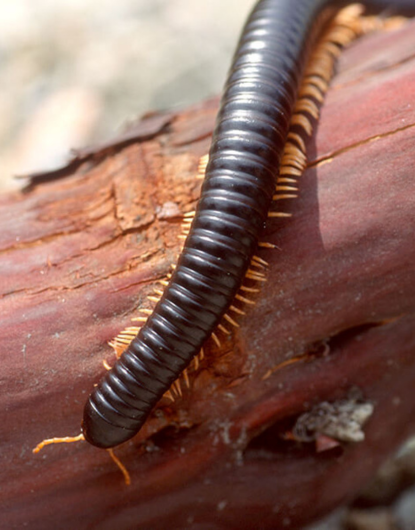
The world around us buzzes with the sounds of billions and billions of little workers that keep things running smoothly day and night. Much of their tasks go unnoticed or happen without our knowledge but if they were to ever stop, our civilization would come to a grinding halt. Join us as we explore how the world’s clean-up crews, pollinators, and nutrient cyclers do their job and why they are so important. Live interactions include numerous types of millipedes, cockroaches, lizards, beetles, and (seasonally) bees and butterflies.

One Day Programs

Zoo-to-You

$495.00

Our Zoo-to-You displays the full range of animals that Village Edu has to offer! Our educators can either let the students direct the discussion topics or guide groups through the exhibit space. These are much more free form programs and can be adapted to focus on a wide range of topics and outcomes. Ask our staff about specific versions of this program that feature creatures not housed in our standard collection including mammals, butterflies, birds, and more!

One Day Programs

Nature Walk

$495.00

You never know what you’ll find when you walk outside! In this program, highly trained Village Edu educators guide you and your students through the surrounding ecosystem and discuss all the amazing things we find along the way. Students will be able to observe and learn about native and invasive plant species, insects, vertebrates, and more. As always, our educators will ensure that learning is done through hands-on interactions with the natural world and are prepared to incorporate and tie in whatever teaching points are requested.

One Day Programs

Invasive Species

$495.00

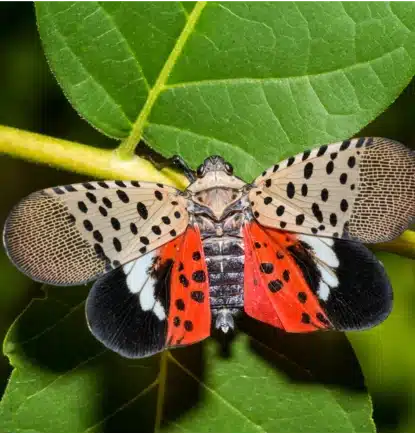
Many of the most damaging pest species originated from a land far away. Why? Are those species just more destructive than our native insects? Why don’t these pests cause the same level of damage in their native ranges? Students will learn about the life history of the major invasive pests in our area and why natural enemies are essential to the proper population control of any species anywhere. By looking at the timeline of introduction for various easily recognizable species, kids will come to understand the process of naturalization and how local farmers work to combat these pests during that process.

One Day Programs

Venom VS Poison

$495.00

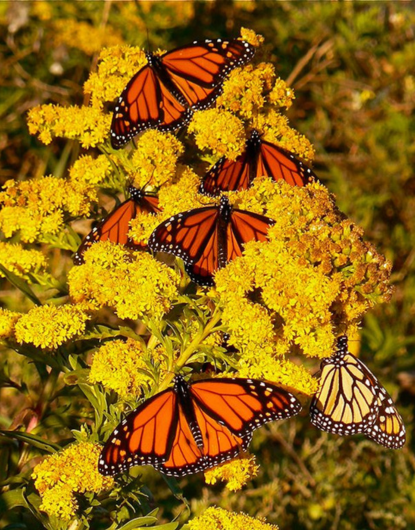
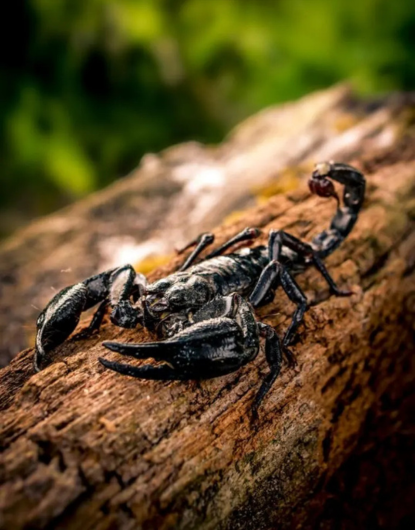
Is a monarch butterfly venomous? Is a scorpion poisonous? While these two terms are related, they are not synonymous. Kids get the chance to see some of the world’s largest venomous scorpions and tarantulas and learn about the different types of defenses these organisms use. Village Edu staff are trained to safely facilitate interactions with harmless cousins of these creatures so kids can see examples of the defensive structures up close. This program includes hands-on experiences with many other species that use non-toxic defensive strategies as well.

One Day Programs

Exploring Evolution

$495.00

Over the past 480 million years, insects have evolved adaptations that allow them to survive and thrive better than any other group of animals on Earth. Join us for the chance to learn about the many unusual ways that arthropods have changed their bodies and behavior in order to accomplish this feat. We will discuss the many incredible ways that insects have changed over time from the inside out and how these changes have allowed them to dominate the natural world. Students will get the chance to handle living examples of these adaptive traits including tarantulas, scorpions, crabs, mantids, beetles, and more!

One Day Programs

Amazing Arthropods

$495.00

Arthropods represent over 80% of all known animal species. Students will get to see all the shapes, sizes, colors, and adaptations that make these some of the most unique animals on earth! Your kids will have a chance to handle members of each of the four major groups of arthropods while they learn about the features that make it easy to identify and distinguish these incredible creatures. Live specimens include: curly hair tarantulas, Madagascar hissing cockroaches, giant forest scorpions, giant African millipedes, Vietnamese centipedes, giant vinegaroons, and more! Each program is tailored to align with the Next Generation Science standards and educators are always provided with follow-up resources and assessments to help reinforce our material even after the lesson is over.

MULTI-DAY PROGRAMS

Multi-Day Programs

Vectors of Disease

$495.00

Mosquitos can do more than just give you an itchy bump on your arm. In fact, some arthropods (such as ticks and flies) can transmit a wide variety of pathogens that are of medical importance to humans. Students learn about these vector-borne disease systems and then collect data as they participate in a neighborhood cleanup to help reduce the mosquito breeding areas around their school. Materials collected from this are then incorporated into a sculpture that brings attention to the project and which is then showcased for the surrounding community.

Multi-Day Programs

Detritivores

$495.00

Healthy soil must be continuously renewed by legions of tinny creatures who feed on decaying organic matter and then recycle it into the ground. In this program, students conduct a series of experiments that show how different arthropod species work together (and with fungus) to ensure that decaying material is quickly and efficiently broken down. Students then sample various soil cores from around their school and assess the health of their detritivorous community. Live specimens from around the world are brought in during each lesson to help highlight particular features and give students the opportunity for live animal interactions.

Multi-Day Programs

Pollinator Patch

$495.00

It’s great if a child can tell the difference between a bumblebee and a butterfly but that’s a far cry from a comprehensive understanding of how pollination works. Pollinators were critical in the diversification and spread of angiosperms across the world over the past 130 million years. During that time, insect pollinators have specialized their bodies, behaviors, and life strategies in some amazing ways to take full advantage of the available floral resources in their environment. In response, plants have adapted to make the best use of their association with insects. Students will explore how the morphology of a flower can provide clues as to which pollinators the plant is trying to attract and how different insect’s mouthparts function for different purposes. Students then put their hypotheses into action by planting and observing a test garden with specific flowers that attract different types of native pollinators. The program culminates with student presentations showcasing all the data they collected in their garden and the creation of a PSA that they then distribute to parents and other members of the school’s community.