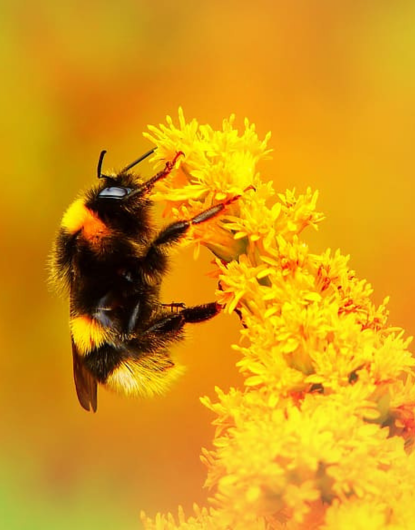
It’s great if a child can tell the difference between a bumblebee and a butterfly but that’s a far cry from a comprehensive understanding of how pollination works. Pollinators were critical in the diversification and spread of angiosperms across the world over the past 130 million years. During that time, insect pollinators have specialized their bodies, behaviors, and life strategies in some amazing ways to take full advantage of the available floral resources in their environment. In response, plants have adapted to make the best use of their association with insects. Students will explore how the morphology of a flower can provide clues as to which pollinators the plant is trying to attract and how different insect’s mouthparts function for different purposes. Students then put their hypotheses into action by planting and observing a test garden with specific flowers that attract different types of native pollinators. The program culminates with student presentations showcasing all the data they collected in their garden and the creation of a PSA that they then distribute to parents and other members of the school’s community.